
Introduction
Most homeowners wait too long to replace their countertops. By the time they act, the damage is obvious and the kitchen already feels outdated.
In South Florida, this happens faster. Heat, humidity, and heavy daily use accelerate wear. Add in shifting design trends, and countertops can go from “fine” to “liability” in a few years.
If you are trying to maintain property value, attract buyers, or simply modernize your space, you need to recognize the early signs. Here are five clear indicators it’s time to replace your kitchen countertops.
1. Visible Cracks, Chips, or Structural Damage
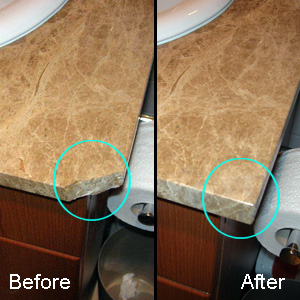

This is the most obvious signal, but also the most ignored.
Small chips turn into larger fractures. Hairline cracks expand with heat and moisture. In South Florida, humidity accelerates this process.
Why this matters:
- Weak countertops can fail under pressure
- Water seeps into cracks and causes internal damage
- Repairs are often temporary and visible
Reality:
Once structural damage starts, replacement is usually more cost-effective than ongoing repair.
2. Persistent Stains and Surface Discoloration
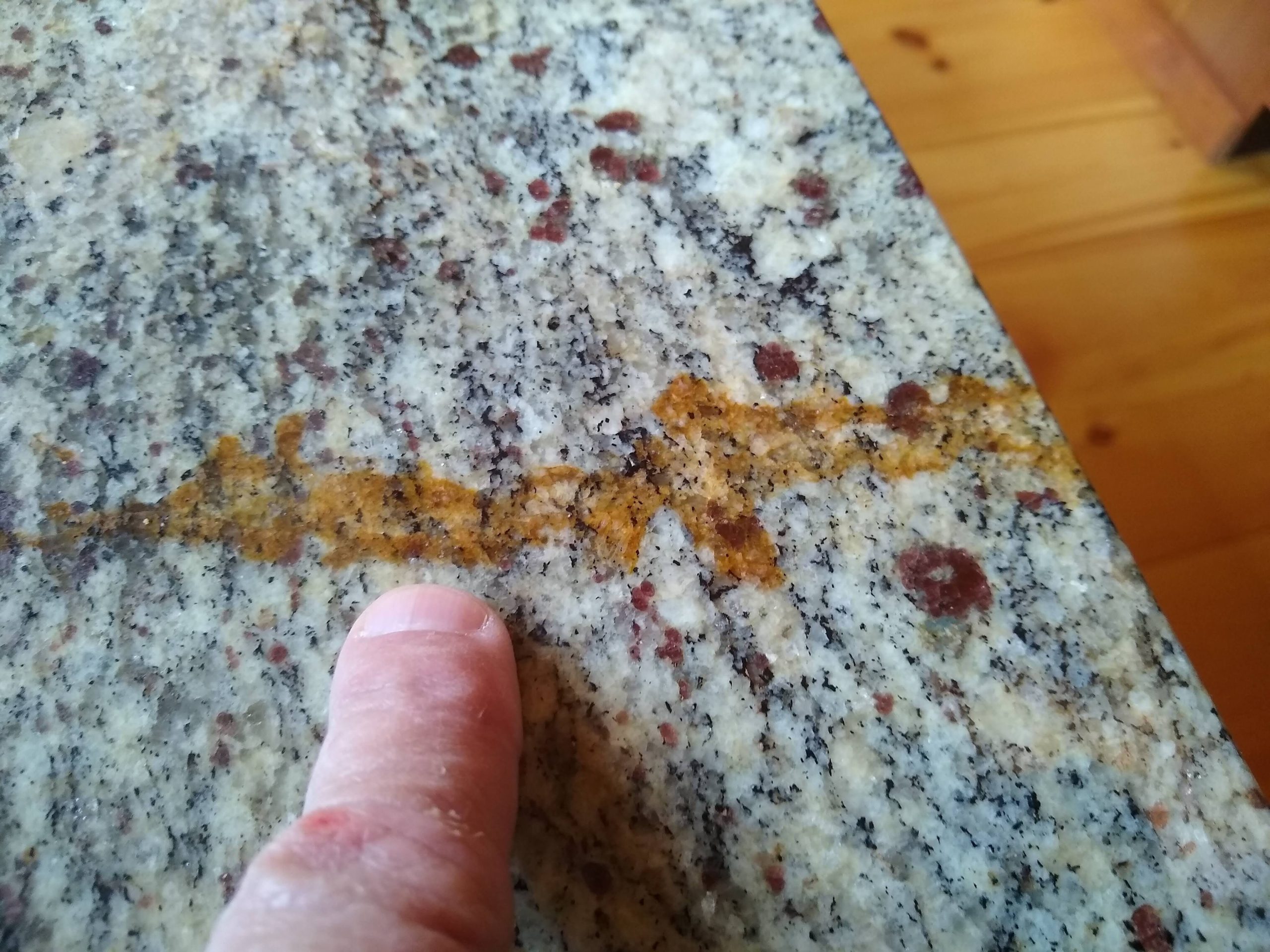
If your countertops always look dirty, even after cleaning, the surface is compromised.
Common causes:
- Oil and grease absorption
- Acidic spills (wine, citrus)
- Water staining from constant exposure
Why this happens:
Older or poorly sealed surfaces lose their resistance over time. Once stains penetrate, they are difficult to remove.
Impact:
- Makes the entire kitchen feel neglected
- Reduces perceived home value
- Signals poor maintenance to buyers
Recommendation:
If sealing no longer works, replacement is the better option.
3. Outdated Colors and Patterns
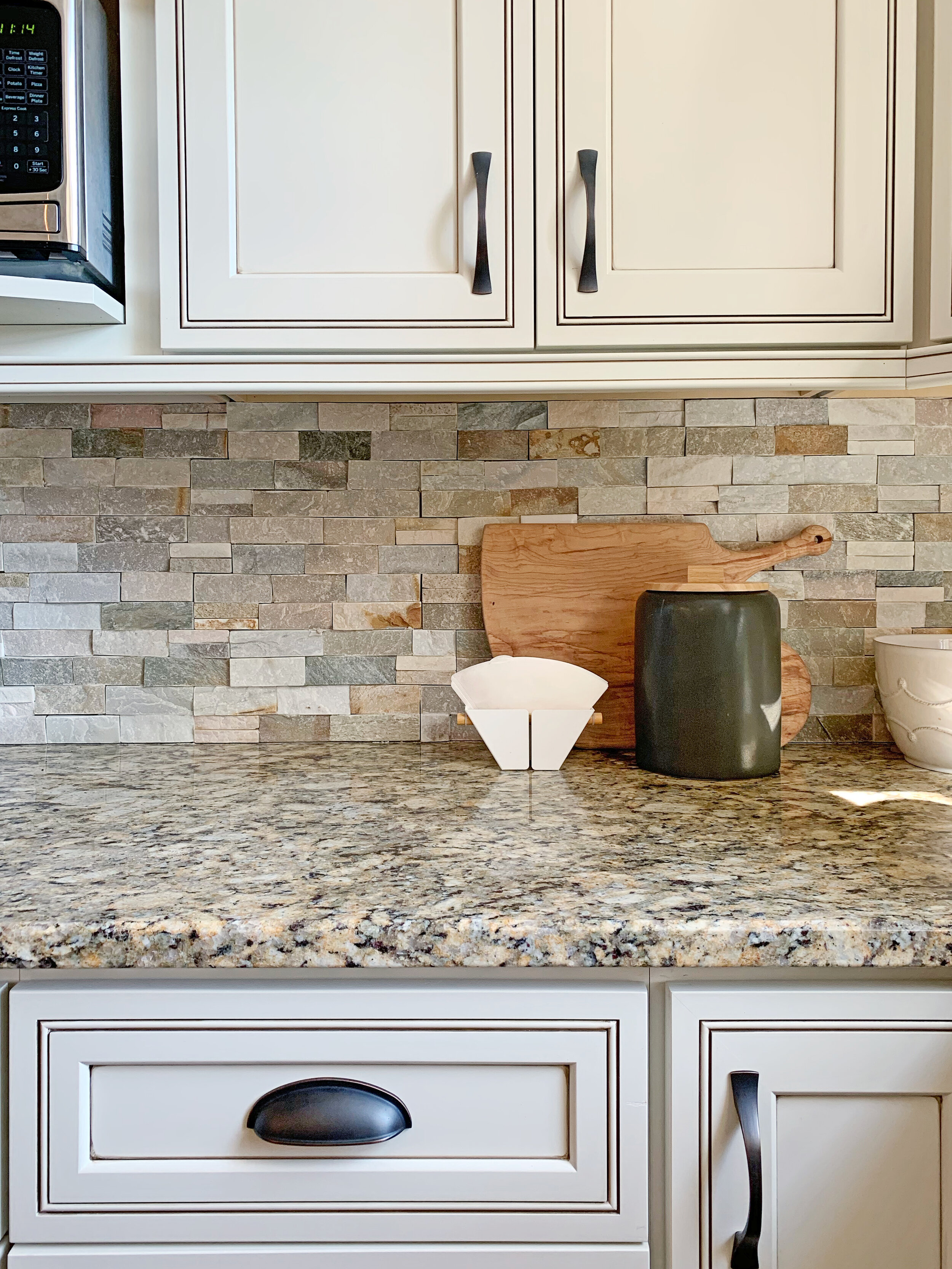
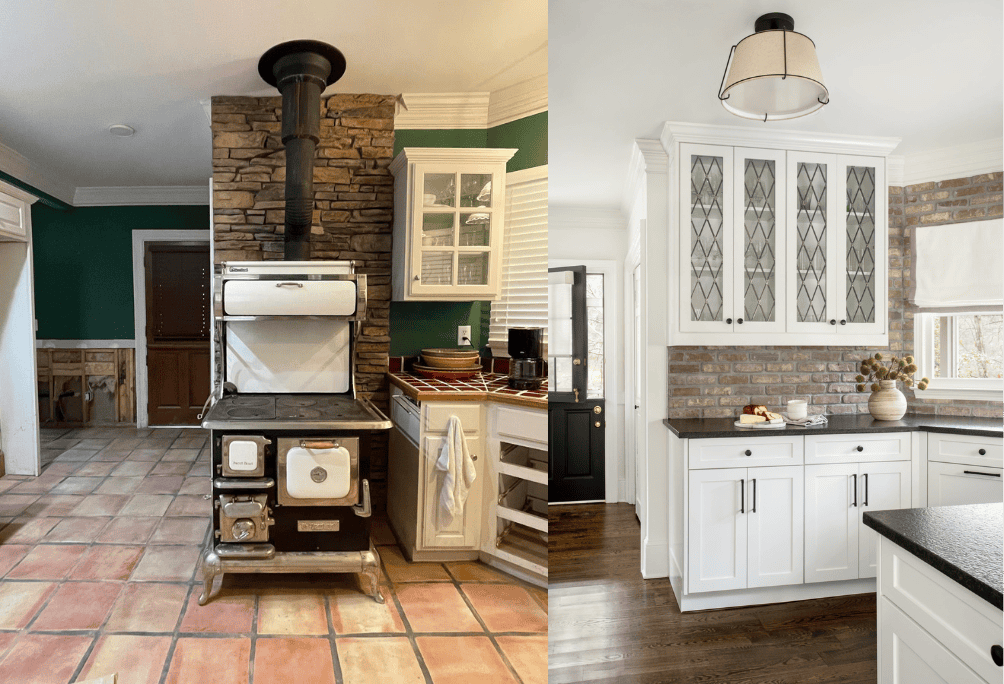
This is where most kitchens fall behind.
Older South Florida homes often have:
- Heavy gold and brown granite
- Busy, high-contrast patterns
- Dark, light-absorbing surfaces
The market has shifted.
Modern buyers prefer:
- White, gray, or soft neutral tones
- Minimal veining
- Clean, consistent slabs
Important:
Even if your countertops are in good condition, outdated design can reduce buyer interest and slow down sales.
4. Water Damage or Swelling (Especially Laminate)

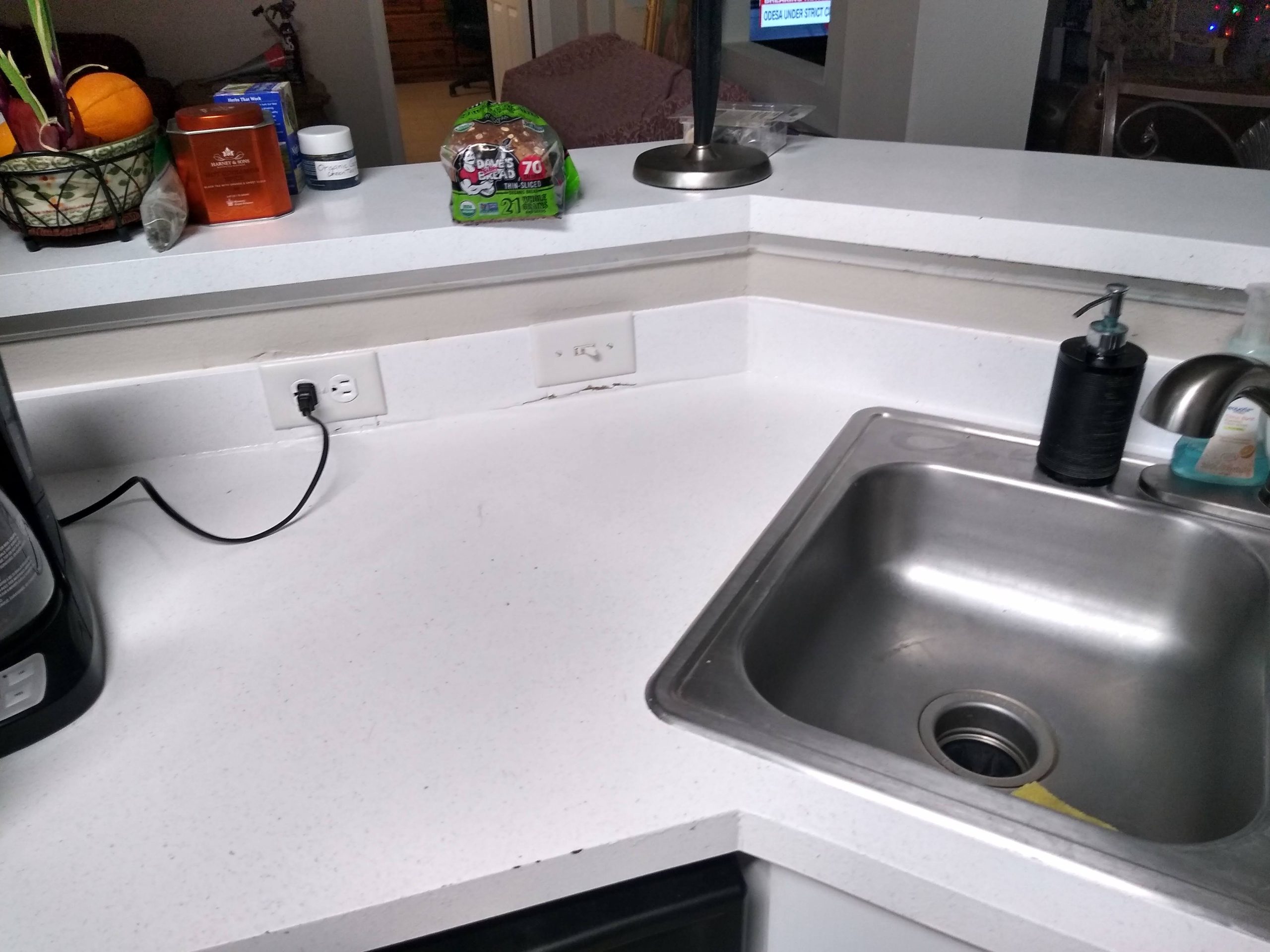
South Florida kitchens deal with constant moisture. If your countertops are not stone, this becomes a problem fast.
Signs to look for:
- Swelling near sinks or seams
- Bubbling or lifting surfaces
- Soft or uneven areas
Why it happens:
Water penetrates seams and breaks down the internal structure of the material.
Key point:
Once swelling starts, there is no real fix. The damage spreads.
If you see this, replacement is not optional.
5. You’re Planning a Kitchen Upgrade or Selling Your Home
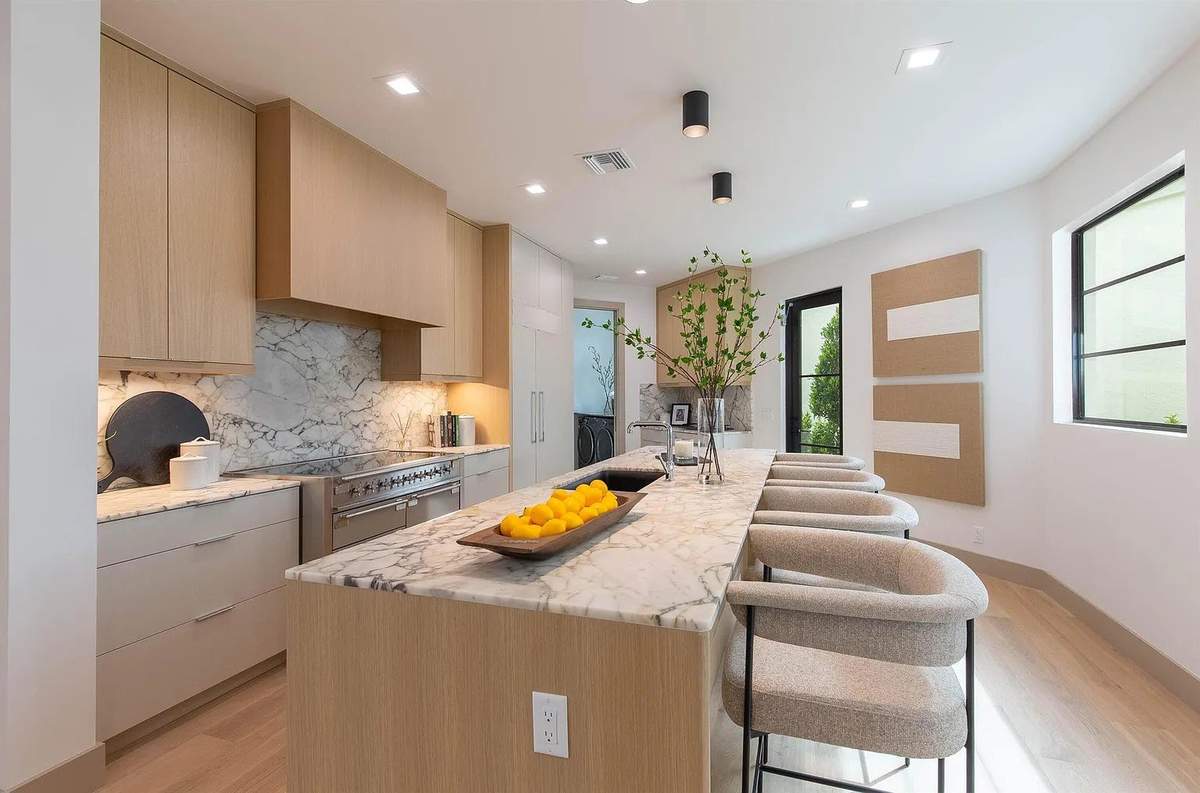
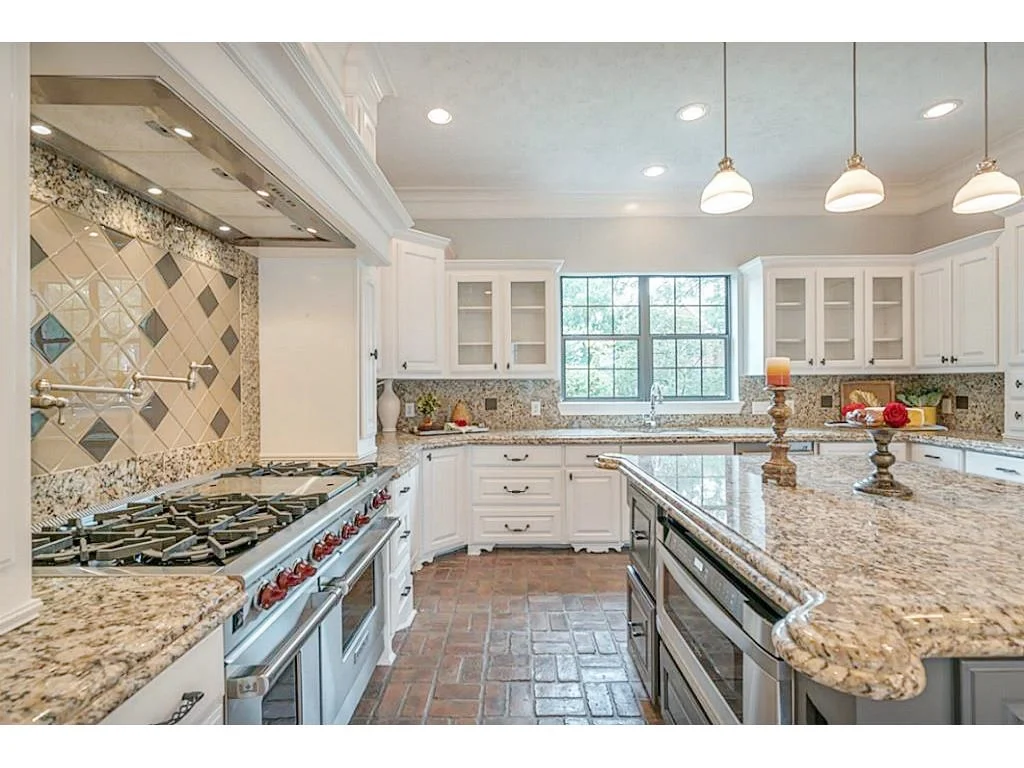
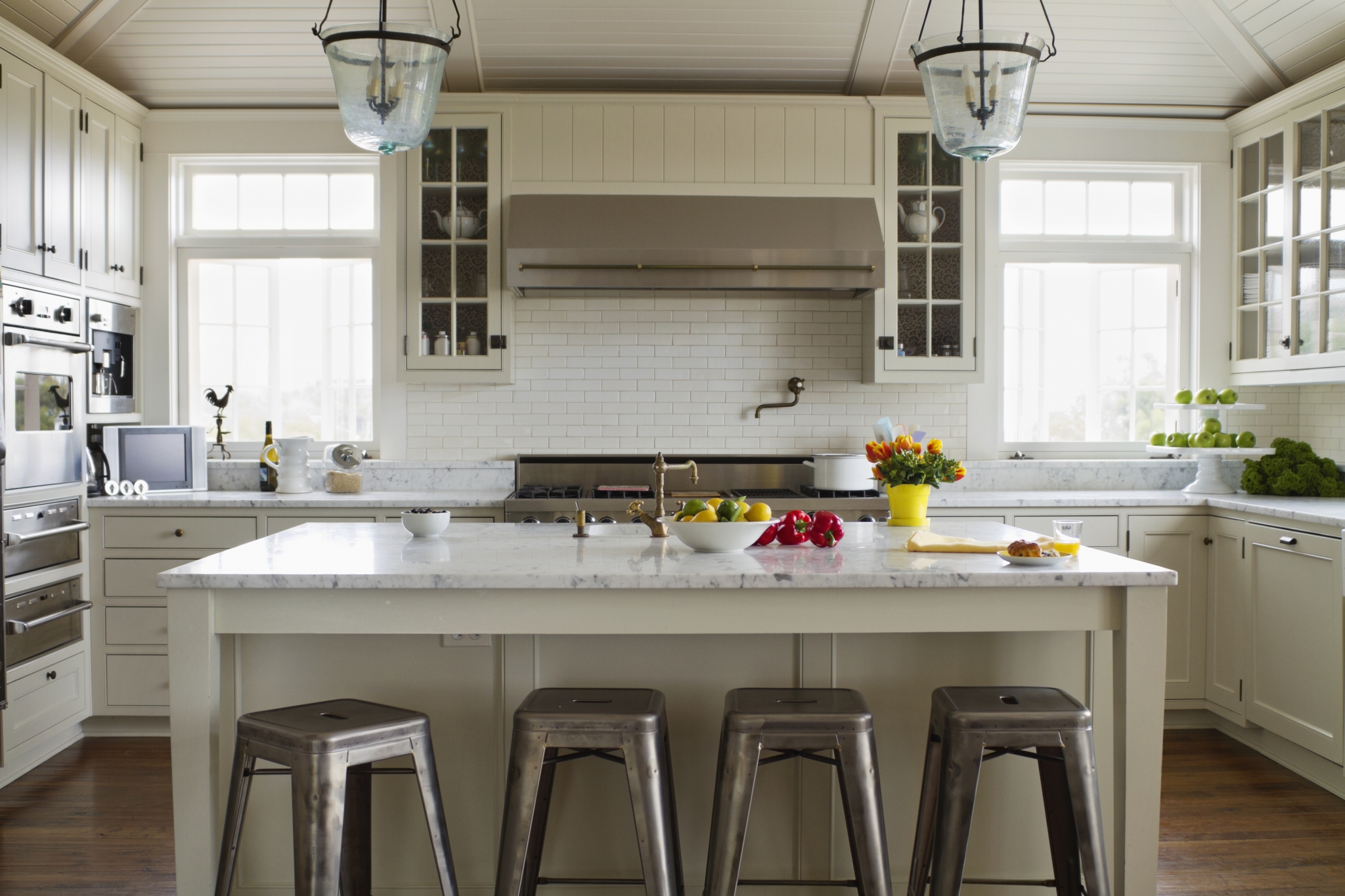
This is the strategic trigger.
If you are:
- Remodeling cabinets or flooring
- Updating appliances
- Preparing to sell
Then your countertops need to match the rest of the kitchen.
Why this matters:
- Old countertops undermine new upgrades
- Buyers focus heavily on kitchens
- Countertops are one of the highest ROI updates
In South Florida, kitchens sell homes. If the countertops feel outdated, the entire property feels outdated.
How to Make the Right Replacement Decision
Before replacing, use this quick framework:
1. Match your goal
Resale = neutral, modern colors
Personal use = more flexibility
2. Choose the right material
Granite = durable, natural look
Quartz = low maintenance, consistent design
3. Focus on slab selection
The exact slab matters more than the name. Always view it in person.
4. Think long-term
Avoid trendy patterns that will age quickly. Stick with clean, simple designs.
Conclusion
Most people wait until countertops fail. That is the wrong approach.
The better strategy is proactive replacement based on clear signals:
- Structural damage
- Permanent staining
- Outdated design
- Water-related issues
- Upcoming renovations or sale
If two or more of these apply, you are already behind.
In South Florida, modern kitchens are expected, not optional. Updating your countertops is one of the fastest ways to improve both function and property value.
Make the decision early, choose a clean and durable material, and align the design with current buyer expectations.